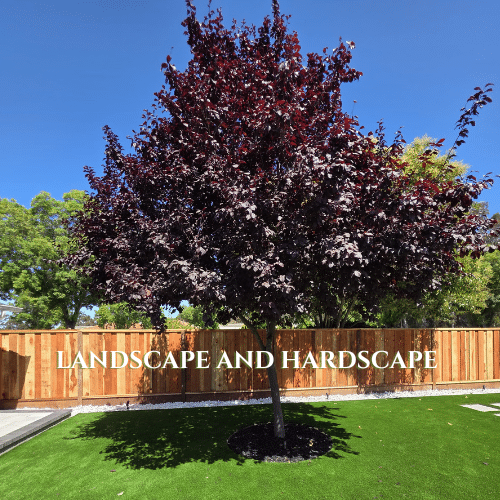
How Landscape and Hardscape Services Shape Functional Outdoor Spaces
Well-designed outdoor spaces offer more than aesthetic value. They support movement, manage water runoff, provide shade, and enhance long-term usability. Combining landscape and hardscape services ensures outdoor areas are both attractive and practical—adapting to local climates, usage needs, and environmental considerations.
Defining the Relationship Between Landscape and Hardscape
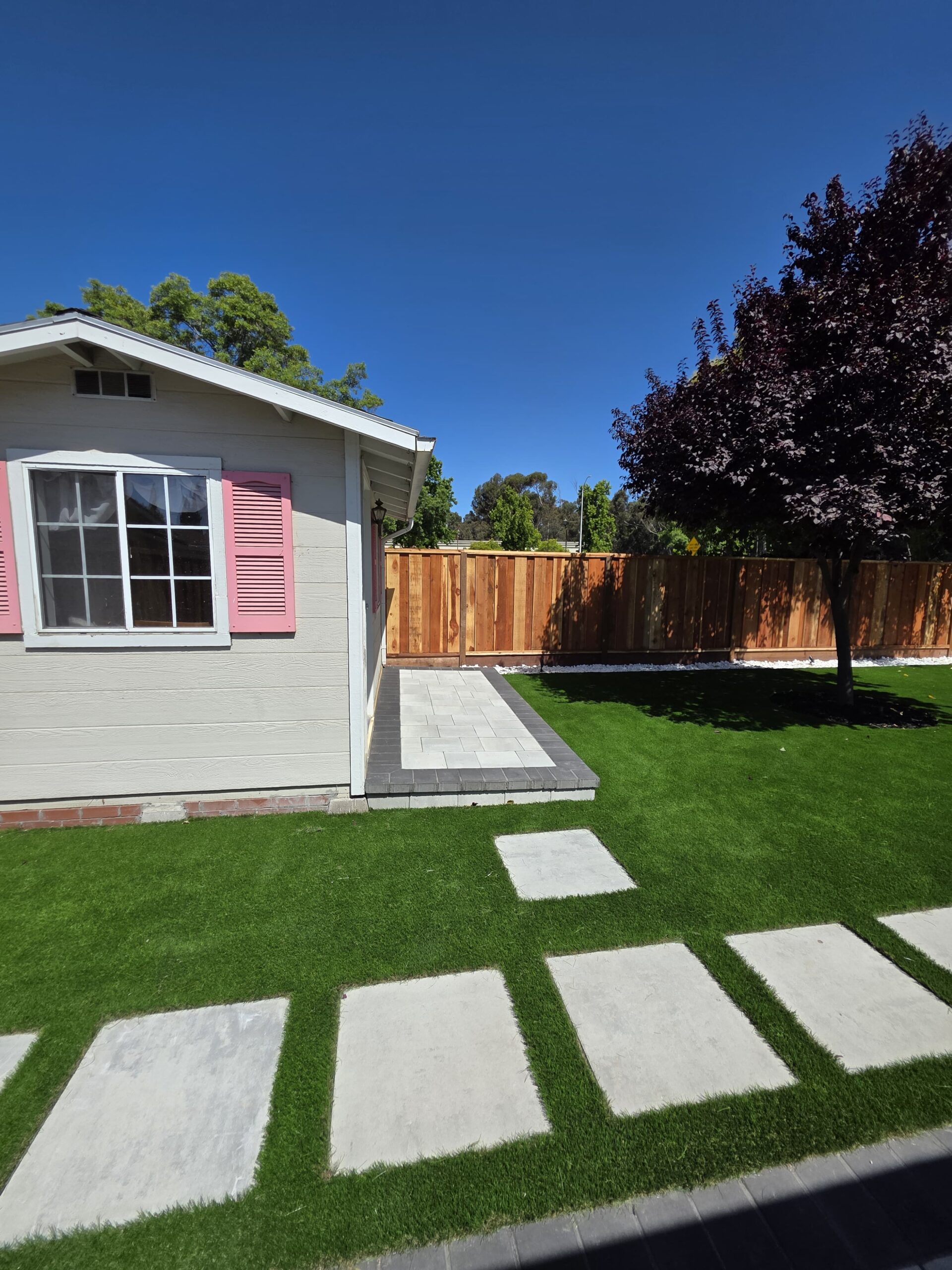
In design terms, landscape refers to natural elements—plants, soil, turf, and trees—while hardscape includes constructed features such as pathways, patios, retaining walls, and steps.
Working together, these components create environments that are both functional and enduring. For instance, a well-placed retaining wall can prevent erosion while also serving as informal seating. Similarly, paved walkways allow access through planted areas without disrupting the ecosystem.
Read more about the distinction and synergy between landscape and hardscape on The Spruce.
Long-Term Value and Reduced Maintenance
One of the primary benefits of hardscaping is durability. Unlike softscape elements, hardscapes do not require seasonal watering, trimming, or replacement. This can reduce long-term maintenance costs while preserving structure and accessibility throughout the year.
Well-integrated design can also protect softscaping. For example, proper grading and drainage built into a patio or walkway can prevent soil displacement and water pooling in gardens. SBC Landscaping offers insights into how hardscaping reduces upkeep while supporting overall site stability.
Improving Functionality and Safety
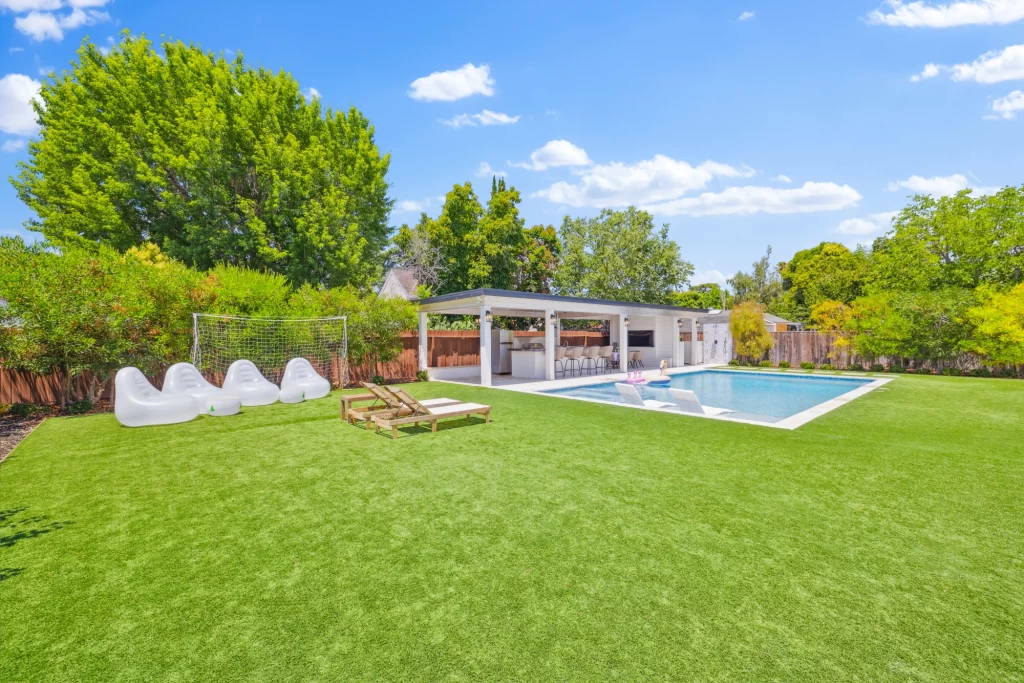
Hardscaping introduces usable structure to a space. Surfaces like stone walkways, gravel paths, and composite decks allow for smoother, safer navigation. This is especially important in sloped or high-traffic areas.
At the same time, thoughtful landscaping around these features provides natural boundaries, privacy, and seasonal variation. Together, they help create balanced outdoor zones for work, play, and rest.
Cutters Landscape discusses how hardscaping improves accessibility and comfort in daily use.
Environmental Efficiency Through Integrated Design
Sustainable landscape planning often relies on hardscape features to manage resources efficiently. Permeable pavers, for instance, allow rainwater to filter into the ground rather than run off into storm drains. Similarly, retaining walls can reduce the need for chemical erosion control.
Pairing these features with drought-tolerant planting and soil preservation strategies contributes to more resilient outdoor spaces. Learn more on Wikipedia’s Sustainable Landscaping resource.
Planning and Execution: A Coordinated Process
Designing an effective outdoor environment begins with site analysis—evaluating sun exposure, drainage, slope, and usage patterns. From there, landscape and hardscape elements are considered in tandem to achieve a unified layout.
Hardscape often serves as the physical foundation, setting the stage for plantings, irrigation systems, and lighting. Phased implementation allows projects to evolve based on budget, season, or growth cycles.
For example, Century Bay’s Landscape Design Services begin with careful site planning that informs future additions of patios, paths, and planting zones.
Practical Examples of Combined Use
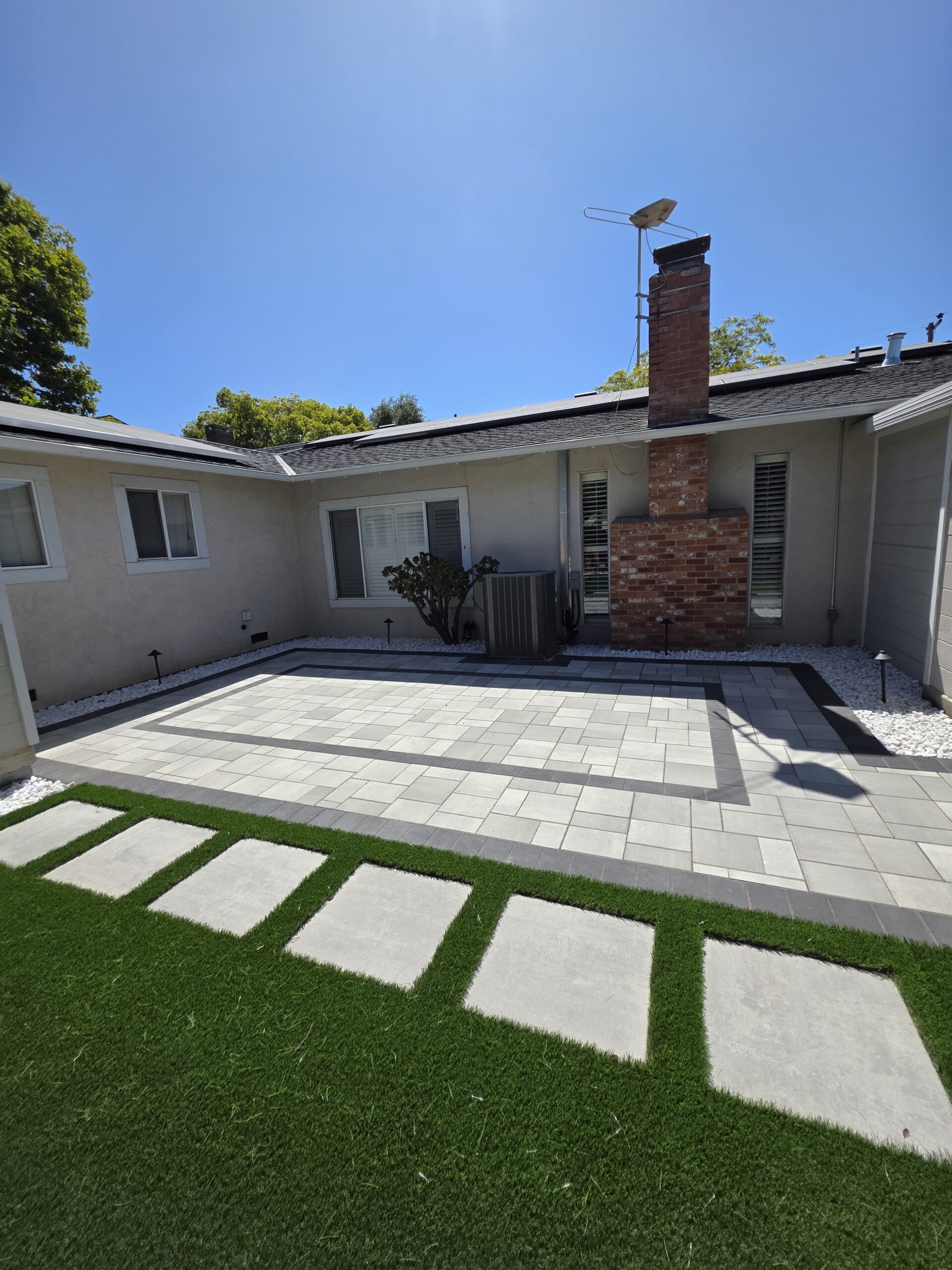
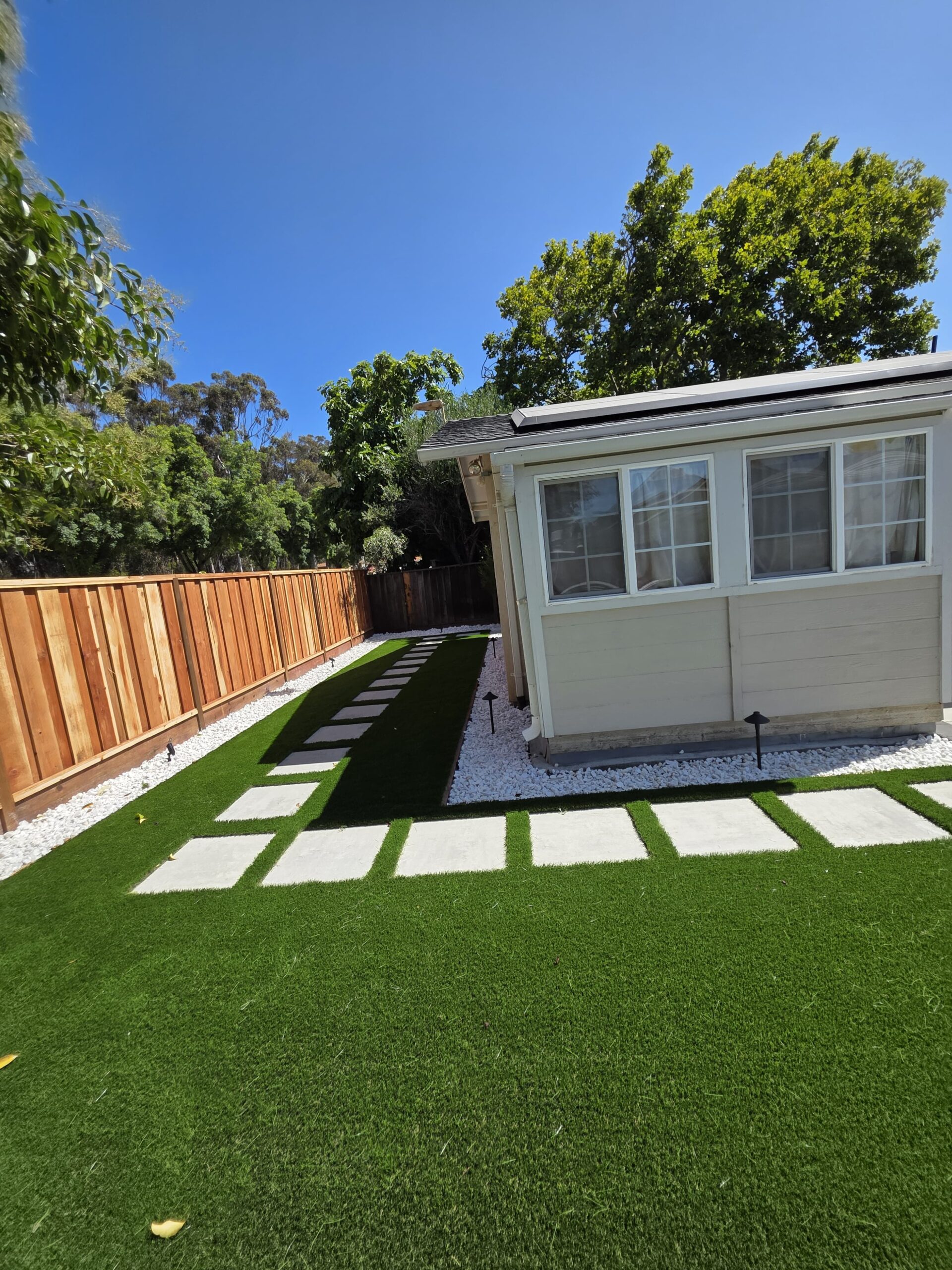
Some of the most effective outdoor designs result from a balanced mix of materials and greenery. Common applications include:
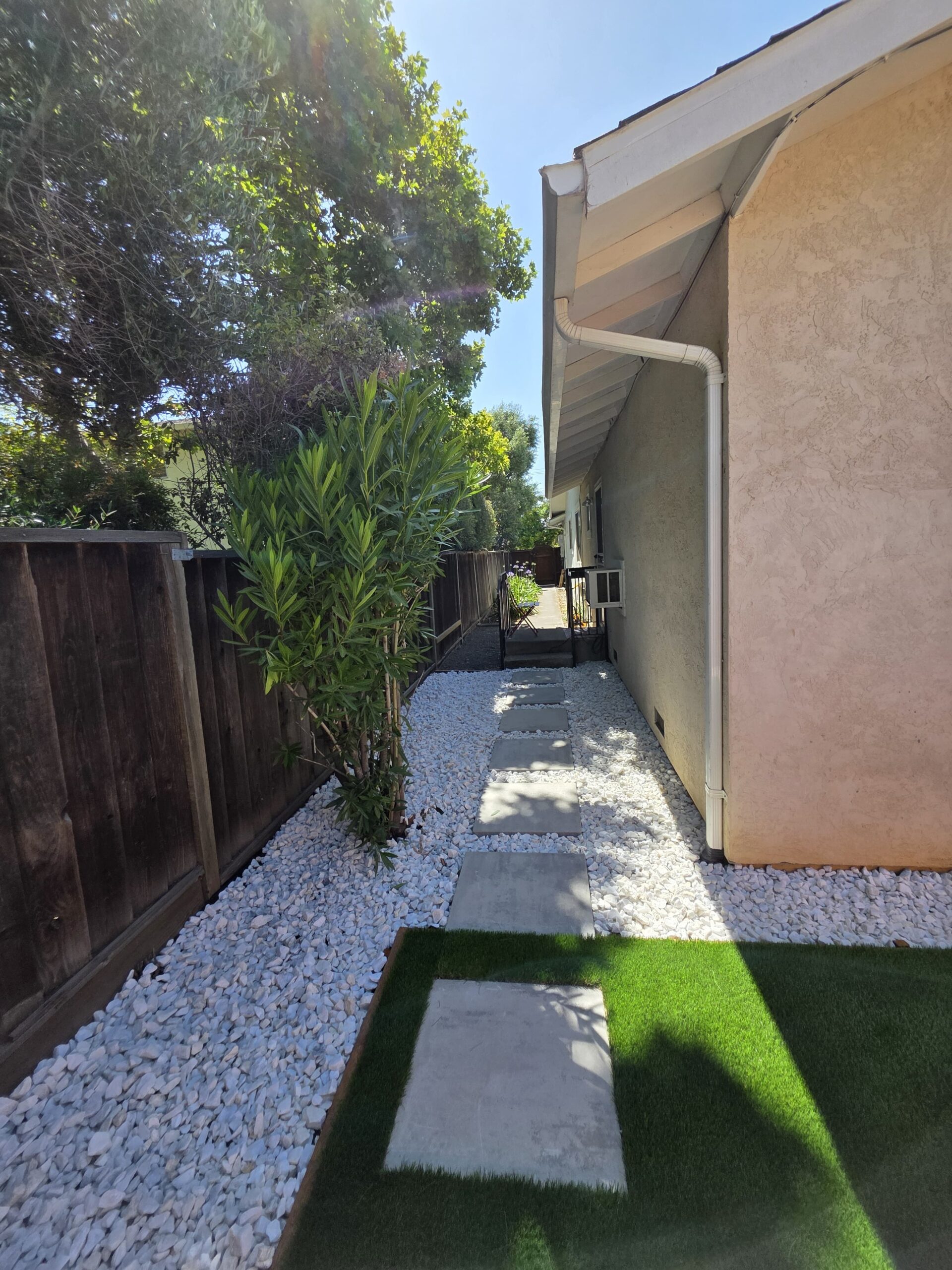
Walkways through planted gardens, guiding foot traffic while preserving root zones
Gravel or stone patios, bordered by native grasses or low shrubs
Staircases with embedded lighting, flanked by terraced planting beds
Vegetable gardens, framed by timber borders and protected with gravel mulch
To explore more real-world examples, visit Century Bay’s Hardscape Projects.
Maintenance and Adaptation Over Time
Landscapes change with the seasons, and so do the needs of property owners. Well-designed hardscape features require minimal upkeep and can often be repurposed as the landscape matures. For example, a simple gravel path may later support an arbor or seating area.
Routine assessment ensures long-term performance. Professional maintenance services can check for drainage issues, root intrusion, or surface wear. Read about available Maintenance Plans offered for long-term upkeep.
Conclusion: A Balanced Approach Yields Lasting Results
Combining landscape and hardscape services provides both aesthetic appeal and lasting function. From supporting environmental goals to improving daily use and safety, an integrated design offers measurable benefits over time.
Whether the priority is erosion control, outdoor access, or a quiet place to unwind, a thoughtful balance of living and built elements leads to enduring success in landscape planning.
Contact Us for Expert Outdoor Living Solutions
Ready to transform your backyard into a luxurious, year-round retreat? Our team of landscape design experts is here to help. Whether you’re looking for custom outdoor kitchens, fire pit installations, patio upgrades, or drought-friendly landscaping, we offer tailored solutions to meet your needs.
Contact us today to schedule a consultation and start designing the outdoor space of your dreams!
info@CenturyBayLandscaping.com
+18883339870
License : 1131051